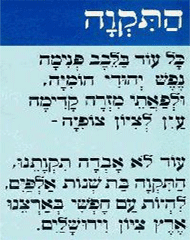
In 70 C.E., Titus led his Roman soldiers in their destruction of Jerusalem. Most of the Jews were carried away as captives and scattered across the lands of the world. During the two thousand years of exile, the Jewish people always kept a heartfelt prayer in their hearts for return to Israel. They said special daily prayers for return and they celebrated the holidays according to Israeli seasons and calendar. This is the message of the Hatikvah's first stanza. Zion is another name for Israel and Jerusalem. When the Jewish people pray their eyes, hearts and prayers are directed toward Israel and Jerusalem. For many long painful years, the land of Israel was in the hands of foreigners. The Jews who lived in Palestine were not free. Yet their hope for freedom and independence never died. The second stanza of the Hatikva recalls the undying hope of Jews through the generation, Jews who lived in other countries and Jews who had remained in Palestine. When Hatikva is sung together, we are making a promise that we will never forget the undying Jewish hope for independence and that we will do all within our power to help the State of Israel prosper.
Sources: Joint Authority for Jewish Zionist Education in the Diaspora in Canada |