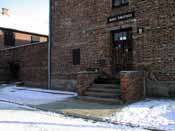
The reasons for the epidemics and contagious diseases that prevailed in Auschwitz concentration camp included the dreadful living conditions, which varied during the years that the camp operated, and were different in each part of the camp. In Auschwitz I, prisoners lived in old brick barracks. Several hundred three-tier wooden bunk beds were installed in each building. The overcrowding in Auschwitz I forced basements and lofts into use as living quarters, as well. Two types of barracks, brick and wooden, housed prisoners in Birkenau concentration camp. The brick buildings were erected in great haste, without suitable insulation, on marshy ground. More than 700 people were assigned to each barrack, although in practice the figure was sometimes higher. These barracks lacked any true heating; nor did they contain sanitary facilities. The second type of accommodation for prisoners at Birkenau consisted of wooden stable-barracks (Pferdestallbaracken). The interiors, designed to hold 52 horses, were partitioned into stalls. The stalls contained three-tier wooden bunks. Several hundred prisoners lived in each such barrack.
Dampness, leaky roofs, and the fouling of straw and straw mattresses by prisoners suffering from diarrhea made difficult living conditions worse. The barracks swarmed with various sorts of vermin and rats. A constant shortage of water for washing, and the lack of suitable sanitary facilities, aggravated the situation. Living and sanitary conditions in Auschwitz III (Monowitz) concentration camp and the several dozen branch camps resembled those described above. Feeding the Prisoners Prisoners in the camp received meals three times a day: morning, noon, and evening. Factors influencing the nutritional value of the food included the official nutritional norms in the Nazi concentration camps. In practice, Auschwitz prisoners with less physically demanding labor assignments received approximately 1,300 calories per day, while those engaged in hard labor received approximately 1,700. After several weeks on such starvation rations in the camp, most prisoners began to experience organic deterioration that led to the so-called "Muzulman" state, extreme physical exhaustion that ended in death. Order of the Day At Auschwitz, as in other concentration camps, the order of the day was strictly established. Prisoners spent over ten hours per day working, and the rest of the time was taken up by long roll-call assemblies, lining up for food rations or a place in the latrines or the washroom, removing dirt and pests from clothing, and disinfection. Labor
Executions
|