

Establishment
Impact
Food Security Technology Accelerator
Examples of BARD Accomplishments
Establishment
The United States-Israel Binational Agricultural Research and Development Fund (BARD) is a competitive funding program for mission-oriented, strategic, and applied research on mutually important agricultural problems conducted jointly by American and Israeli scientists. This cooperative research entails active collaboration between Israeli and American research institutes and has led to significant breakthroughs in agricultural technologies to address problems in the field.
|
BARD was established in 1978, with initial contributions totaling $40 million from the United States and Israel. The endowment fund was then augmented in 1984 by another $15 million from each country. In 1994, an agreement was reached under which Israel would match any U.S. supplement to the fund by $2.5 million annually. Since 1998, though, this annual supplement has been substantially reduced.
Prime Minister Benjamin Netanyahu and U.S. Ambassador to Israel David Friedman signed an agreement on October 27, 2020, extending the United States-Israel scientific cooperation to include Israeli institutions in the West Bank and the Golan Heights. The agreement removed geographic restrictions on funding from BARD, the U.S.-Israel Binational Science Foundation (BSF), and the Binational Industrial Research and Development Foundation (BIRD), which previously were not allowed to sponsor projects in “areas which came under the administration of the Government of Israel after June 5, 1967” and related “to subjects primarily pertinent to such areas.”
In June 2023, however, the Biden administration reversed this decision, declaring that “engaging in bilateral scientific and technological cooperation with Israel in geographic areas which came under the administration of Israel after 1967 and which remain subject to final-status negotiations is inconsistent with U.S. foreign policy.” According to JewishInsider:
BARD funds projects for a period of three years, giving an average of $310,000 to researchers in both countries over that period. This has not been adjusted in 35 years. Awards are given based on the details of the budget justification, the number of funded institutions in the proposed project, and the nature of the specific research program. Grantees decide how to allocate the research budget, and in its early years, Israeli researchers received a larger share. For the last 20 years, however, the split has been more even.
Impact
A total of 1,540 researchers (910 from the U.S. and 630 from Israel) participated in BARD studies between 1979 and 2019. In addition, “an estimated 3,300 students have been involved in BARD research projects; around 1,200 of these continued to academic positions and some 600 others to employment in Agri-Bio industries.”
BARD introduced a Pioneer Track to provide larger awards to support projects in specific areas of agricultural sciences that are highly innovative and have the potential to create a significant impact on agriculture, utilizing cutting-edge research technologies.
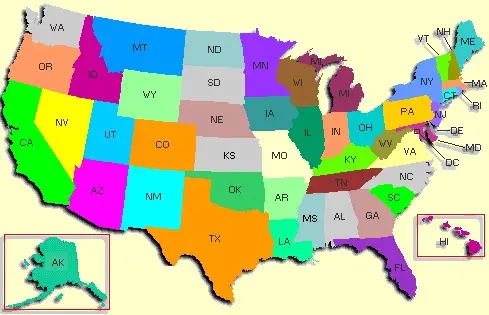
Since its inception, BARD has evaluated more than 5,100 projects and has awarded more than $320 million – $157 million of which has gone to U.S. institutions – to 1,576 joint projects between Israel and every state except North Dakota, Maine, and Alaska. California has received the highest proportion of funding, nearly $26 million for nearly 300 research projects, which constitute more than 20% of the total number of projects. Researchers in New York received nearly $16 million, and those in Florida more than $8 million. The awards have been distributed to:
- Land Grant Universities: $113,792,076 (72% of total distribution in the U.S.)
- USDA Agricultural Research Service: $19,981,195 (13% of total distribution in the U.S.)
- Other non-profit research institutions: $23,589,190 (15% of total distribution in the US)
Awards have also been given to researchers in Canada and Australia. Additionally, BARD has sponsored 250 postdoctoral fellows since 1985 and 23 senior research fellows since 1991. They have also led 52 scientific workshops.
BARD-sponsored research has led to innovative developments, new technologies, and a renewed focus on drip irrigation, pesticides, fish farming, livestock, poultry, disease control, food safety, postharvest, and farm equipment. BARD also conducts a postdoctoral fellowship program and supports joint workshops. BARD has sponsored 270 postdoctoral fellows since 1985 and 30 senior research fellows since 1991. They have also led 55 scientific workshops.
An external review conducted in 2000 of BARD’s performance in its first 20 years found that the foundation supported a very high-caliber of research and development projects and attracted proposals from the top echelon of scientists. The review found that two-thirds of the projects were classified as excellent or outstanding and that they also produced a substantial output of scientific papers, many of which are published in the most prestigious journals.
A 40-year review in 2019 involving 20 case studies estimated the foundation’s contribution to the U.S. economy at $2.7 billion, to Israel’s $500 million, and to other countries at $13.3 billion. BARD has invested $1.06 billion in projects. The review found that BARD research generated more than 5,600 published manuscripts. In addition:
BARD-funded projects also “deliver a wide range of environmental and social benefits,” including increasing global protein availability at a competitively affordable cost, lessening the burden of waterborne diseases in developing nations, reducing the use of chemical pesticides, improving energy generation, promoting species conservation, and creating employment through new industries.
While BARD funds agriculturally relevant and scientifically meritorious work in all traditional disciplines of agriculture, it has identified the following fields as priorities: Increased efficiency of agricultural production; protection of plants and animals against biotic and abiotic stress; food quality, safety, and security; water quality and quantity; functional genomics and proteomics; sensors and robotics; and, sustainable bio-energy systems.
BARD has also created special joint programs with American universities in Maryland, Texas, and Cornell.
BARD established the MARD program to promote cooperative agricultural research and development activities between scientists in Israel, Jordan, the Palestinian Authority, and the United States. During its five years of operation, MARD has funded numerous successful regional workshops, mutual visits, training seminars, and similar activities that have strengthened collaboration among Palestinian, Jordanian, Israeli, and U.S. researchers.
Food Security Technology Accelerator
The BARD Food Security Technology Accelerator is a new initiative by the Israel-U.S. Binational Agriculture Research and Development Fund (BARD) to support collaborative R&D projects between Israeli and American partners. The program aims to bridge research and industry, accelerate the translation of discoveries into applications, and foster innovation in food security. It provides conditional grants of up to $1 million (for projects with a total budget up to $1.6 million) over two years, fully funding academic partners and partially funding industry partners. The program supports projects at Technology Readiness Levels (TRL) 3–6, with a focus on significant technological innovation that has high commercial and social impact. The grant covers R&D, dissemination, and commercialization activities, and is designed to share risk and reward between partners.
Examples of BARD Accomplishments
Precision Robotic Systems for Aquaculture
Aquaculture is currently the world’s fastest-growing source of protein, but it faces a steep climb. Whether in the coastal waters of North Carolina or the desert ponds of Israel, farmers struggle with the grueling, constant need to monitor water quality, track fish growth, and manage feeding. To solve this, the team is developing a fleet of "robo-farmers"—including "SAWbots" (robotic swimmers that mimic biological movement) and autonomous surface boats. These platforms act as high-tech eyes and hands, using advanced sensors to patrol the water 24/7.
The true challenge, however, lies beneath the surface in the "brains" of these machines. Using AI models similar to those used in self-driving cars, the researchers collected large amounts of data in 2025 from seven sites across the U.S. and Israel. They discovered that teaching a robot to recognize a fish is more difficult than it appears. In a phenomenon known as "catastrophic forgetting," they found that when the AI learned to identify a new species, such as striped bass, it would suddenly "forget" what a tilapia looked like. To fix this, they found that the robots performed best when "pre-trained" on massive, diverse datasets rather than small, specific ones.
The environment itself also proved to be a hurdle. While U.S. waters were relatively clear, the outdoor ponds in Israel were often so murky that traditional cameras were blinded. This realization shifted the project's focus, pushing the team to integrate sonar and infrared imaging—essentially giving the robots the ability to "see" through the mud using sound and heat.
From measuring the precise length of a prawn to detecting declining oxygen levels in a large coastal pen, this collaboration between Ben-Gurion University and North Carolina State University is demonstrating that sustainability and productivity go hand in hand. By replacing manual guesswork with robotic precision, they are ensuring that the world’s growing demand for seafood can be met safely and reliably.
Solutions for Emerging Trout Virus
A U.S.-Israeli research partnership led by Prof. Eran Bacharach of Tel Aviv University, Dr. Avi Eldar of Israel's Kimron Veterinary Institute, and Prof. Irene Salinas Remiro of the University of New Mexico is fighting a newly discovered disease threatening the global rainbow trout industry, valued at $8.1 billion in 2025 and expected to reach $11.2 billion by 2035. Trout Granulomatous Virus (TGV) causes severe damage to fish gills and livers, leading to lethargy and reduced productivity in trout farms across the United States and Israel. The researchers found that the disease is exacerbated by the fish’s immune system overreacting rather than by the virus itself, and that TGV persists within immune cells for extended periods, making it particularly difficult to eliminate.
The team is developing vaccines to be delivered directly to the fish’s gills and other vulnerable surfaces where the virus first attaches. According to the researchers, their approach of targeting these entry points and understanding how the virus persists over the long term will help reduce economic losses in commercial trout production. “Once we optimize vaccine candidates, we look forward to optimizing the delivery routes, doses and time for first vaccination so that the rainbow trout commercial production cycle can reduce economic losses,” the team stated. Beyond rainbow trout, their work provides a foundation for managing chronic infections in farmed fish globally, potentially protecting other species and strengthening the sustainability of aquaculture operations worldwide.
Lettuce Safety
Despite the implementation of extensive control measures to produce and deliver safe, ready-to-eat leafy greens, serious disease outbreaks associated with the consumption of contaminated leaves continue to occur. Prevention of pre-harvest contamination on the farm has become one of the most important steps in reducing human health risks and improving food safety.
A joint NIFA-BARD research project led by Dr. Maeli Melotto from the Department of Plant Sciences at UC Davis and Dr. Shlomo Sela Saldinger from the Department of Postharvest and Food Sciences at ARO aimed at understanding the mechanisms of Salmonella adaptation in lettuce.
Melotto stated that a better understanding of how Salmonella colonizes lettuce will enable growers to select cultivars that are less readily colonized by Salmonella. He added their findings could be applied to other leafy greens and to the study of pathogens like Listeria.
Unclogging Irrigation Systems
As water demand has increased, irrigation with reclaimed wastewater, replacing potable water through drip irrigation, has become more prevalent. Treated wastewater effluent, which contains both physical and biological contaminants, can clog the drippers. A joint BARD-funded collaboration, led by Dr. Eran Friedler from the Faculty of Civil & Environmental Engineering at the Technion and Dr. Karl Linden from the Environmental Engineering Program at the University of Colorado Boulder, investigated the use of UV-LED irradiation to address this problem. This technology can be used to reduce biological fouling in drip irrigation supplied with treated wastewater effluent. They also sought to determine whether placing the UV-LEDs along the irrigation line, as an integral component of the system, could confer advantages and help prevent clogging.
This study showed that UV-LED irradiation can minimize effluent-fed emitter biofouling and that its use enhances irrigation efficiency while potentially reducing environmental hazards.
Alleviating Heat Stress in Dairy Cattle
Summer heat stress is a major contributor to reduced fertility and milk production in lactating dairy cows. An integrated approach to improving dairy cow productivity was enabled by the continued BARD support for a collaborative effort between scientists in Florida and Israel. The focus of their research was to elucidate the basic mechanisms regulating heat-sensitive physiological functions that are associated with reproduction, nutrition, and lactation.
Targeted investigations were conducted to examine specific reproductive windows during which heat stress compromises reproductive function. This work has led to the development of a timed-insemination program that permits a greater number of cows to be inseminated before the more challenging heat-stress season, when embryonic mortality is high. The program has increased pregnancy rates during the heat-stressful summer months. A total annual revenue increase of approximately $4 million is projected for Florida dairy producers. Such a programmed reproductive management system was also applied to timed embryo transfer effectively. The knowledge acquired to date has enabled the integration of hormonal-biochemical control of reproduction and lactation with an environmental management system to optimize dairy cattle performance, health, and well-being.
Breeding for Heat Tolerant Wheat Varieties
Research conducted in collaboration among scientists at ARO, the Volcani Center in Israel, and Texas Tech University in the United States has focused on the mechanisms underlying heat tolerance in wheat. Wheat varieties must be heat-tolerant to be grown in the dry, hot environments of either Israel or the U.S. Great Plains. The study revealed that the ability to accumulate Heat Shock Proteins was not the primary mechanism determining heat tolerance, as measured by the variety's yield under heat stress. Instead, traits such as cell membrane stability under heat stress, heat-stable carbon assimilation, and the ability to form grain from carbon reserves stored in the stems were the important characteristics. By selecting for these specific traits, elite wheat lines were developed that are highly heat-tolerant. This research also generated knowledge on the appropriate genetic markers required for marker-assisted selection in breeding wheat for heat tolerance. BARD was a key source of funding for the basic research component of this scientifically outstanding project.
Improving Wheat-Seed Proteins by Molecular Approaches
The wheat laboratories at the Weizmann Institute, Israel, and the ARS, Albany, CA, collaborated through three BARD-funded projects to develop the basic information needed to understand and genetically engineer improved wheat quality. Among the results of this project was a better understanding of the contributions of wheat-quality proteins and protein domains to the functional properties of wheat doughs, as well as the construction of the first complete synthetic cereal storage protein gene. They demonstrated, for the first time, that one can alter dough properties by varying parameters and showed the usefulness of bacterial-produced wheat-quality proteins in studying dough properties.
Their current BARD-supported project focuses on nutritional rather than functional attributes of the wheat-seed proteins that determine quality, including a molecular approach to increase the levels of the essential amino acid lysine in cereal grains. If successful, this latest project will lay a foundation for genetic engineering of nutritional quality, a long-hoped-for payoff but one that remains to be realized.
New Spray Technology that Reduces Pesticide Use
Researchers at the Volcani Center and the University of Georgia, with funding from two BARD projects, have developed an aerodynamic/electrostatic method to deliver fine particles of either chemical or biological materials with exceptional precision and efficiency. This equipment, now patented and marketed worldwide by the University of Georgia, employs a novel and highly effective method to impart a high electrical charge to finely divided liquid or solid particles. The equipment also includes electronic instrumentation to measure and characterize dose-response effects on the viability of biological particles such as microorganisms or pollen grains. Mathematical modeling and light-intensified machine-vision image analyses are used to measure the microdeposition characteristics of spray droplets on leaves. Laboratory and field evaluations have typically documented three to six times greater particle deposition directly attributable to the incorporation of electrostatic attraction into the air-assisted delivery system. The result is a 50% reduction in pesticide per unit area, with comparable or better pest control than a full-rate conventional spray application. The use of this equipment for mechanized pollination is a potential alternative to traditional pollination by bees in areas where such pollination is endangered by natural or anthropogenic factors.
Biological Control of Soilborne Pathogens
One of BARD’s major contributions has been in the area of biological control of soilborne plant pathogens. Cornell University (Geneva) and Hebrew University (Rehovot) scientists, with BARD funding, collaborated to commercialize specialized strains of Trichoderma as biocontrol agents, primarily against root-infecting fungi but also against some leaf-attacking fungi. Biological control in the rhizosphere and phyllosphere is now as scientifically and technologically advanced as the companion fields of nitrogen fixation and mycorrhizal associations in plant biofertilization. BARD funding was critical, both for the initial discovery and for later development of a concept for use in commercial agriculture.
The initial research demonstrated that seed, rather than direct application to soil, is the most effective route for delivering these fungal biocontrol agents into the root-soil ecosystem. Subsequently, highly competitive strains of the biocontrol fungus were developed.
Several Trichoderma strains identified or developed are now used commercially in Israel, Europe, and the United States. Several companies in Israel and the U.S. are commercializing or have rights to commercialize these strains. Products are now being sold for use on greenhouses, turf, and row crops. Other products have been registered for the control of foliar and fruit pathogens, including Botrytis gray mold and powdery mildews, in greenhouse environments. The broad-spectrum uses of these strains is unmatched by any other microbial biocontrol product or plant-associated microorganism. The genes encoding the biocontrol enzymes from Trichoderma are being licensed or sublicensed to companies for use as sources of disease resistance in plants, notably alfalfa, turf, ornamentals, apples, tobacco, potatoes, and grapes.
Genomics & Breeding
In 1982, BARD very likely funded the first proposal, by any agency, for DNA-level marker research in agriculture. Sponsored research uncovered the first DNA-level polymorphisms in livestock species. It initiated the shift from RFLPs to microsatellites as the primary genomic marker, making major contributions to both the chicken and bovine genomic maps and to the establishment of international reference families for chicken and bovine. Synteny (the degree of similarity between species in the distribution of genes on the chromosome) relationships between bovine/human/mouse genomes were determined and used for comparative mapping and comparative positional cloning of genes. The first QTL mapping experiments were conducted in poultry and cattle. The basic statistical designs for mapping and fine mapping were developed at the Hebrew University. These include F2 and backcross designs; daughter and granddaughter designs (the latter is the primary mapping design used in dairy cattle mapping); advanced intercross lines and full-sib intercross lines for fine mapping; and selective genotyping and selective DNA pooling for cost-effective QTL mapping.
The scope of this research is international, contributing significantly to the early development of a genome map of cattle, as evidenced by the participation of both the US and Israeli teams in the development of the first- and second-generation linkage maps of the bovine genome. A major contribution of these groups was the mapping of genes (Type I loci) useful for comparative mapping and the exploitation of the wealth of information generated by the human and mouse genome projects.
The research generated by these early BARD projects was undoubtedly influential in demonstrating the value of such a program.
Beyond these specific achievements lies the establishment of an environment for genomic approaches to animal breeding, which has led to their rapid adoption by the community of animal geneticists. Worldwide, major QTL mapping studies are underway or nearing completion in all livestock species. The implementation of mapping results in commercial applications and the identification and cloning of the genes corresponding to QTLs are major challenges as we enter the 21st Century.
Algal Culture
The basic knowledge and molecular tools generated through BARD support have significantly enhanced the utility of Haematococcus pluvialis and other algae as biological sources for pigmentation of fish, as natural sources of food colorants, and to improve the nutritional quality of human diets.
BARD has supported research on the regulation of solar energy conversion to biomass and lipids in marine unicellular algae. Unicellular algae can synthesize and accumulate specialized lipids and fatty acids, which are known for their high nutritional and therapeutic value. The research focused on two marine microalgal species that produce very long-chain polyunsaturated fatty acids. The scientific contributions of these projects are considered breakthroughs in many aspects of algal research and algal biotechnology.
Molecular tools for studying gene structure and gene regulation in non-chlorophyte marine unicellular algae were established. Light-harvesting complexes such as fucoxanthin-chlorophyll binding protein (FCP) and violaxanthin-chlorophyll binding protein (VCP) were isolated, purified, and characterized. Genomic and cDNA libraries were constructed and screened for the relevant genes. Isolated clones were characterized, creating the basic requirements for gene expression studies and genetic manipulation of algal cells.
The feasibility of algal biomass production for aquaculture and human health was established by demonstrating, at a semi-industrial scale, the capability for mass production. Nutritional studies verified the importance of algal polyunsaturated fatty acids for the development of animals and demonstrated that algal biomass fed to pregnant and lactating rodents can benefit their offspring.
Identification of QTLs
BARD-funded research aimed at developing and testing a new method for systematic discovery and utilization of quantitative trait loci(QTLs) from wild germplasm in the production of improved crop varieties using the tomato as a model system. The results indicated that wild plant populations harbor a substantial wealth of potentially valuable alleles. Many of the genes found would not have been predicted from the phenotype of the wild plants. For example, a gene was identified that enhances both the red pigmentation of tomato fruit (lycopene) and the size of tomato fruit from wild species that produce very small green fruit (i.e., do not produce lycopene). Some of the identified QTLs have a significant effect on the yield and quality of tomato varieties and are used by seed companies in Israel and the US in their breeding programs through marker-assisted selection. Using fine mapping and nearly isogenic lines, the two labs have begun dissecting each QTL and have narrowed several QTLs determining yield, sugar content in the fruit, fruit size, and shape to individual BAC and cosmid clones.
The approach to improving tomato crop yields through QTLs introduced from wild species shows promise for exploiting the great wealth of potentially valuable alleles carried by wild relatives. QTLs with significant effects on yield and quality are now used by Israeli and US seed companies that are adopting marker-assisted selection. The work with tomatoes clearly indicates what is possible with other economically important crops.
Increased Fruit Sugar Content
In tomato and melon, sweetness is a major determinant of quality. BARD funded ARO scientists and their colleagues from North Carolina State University, ARS, UC-Davis, and the Hebrew University to identify pathway steps that may limit sugar accumulation and to try to relieve constraints by using a natural genetic variation, molecular modification, or modified agrotechniques.
In tomato, a recessive gene affecting invertase activity and, consequently, sucrose accumulation was found in two wild species. Invertase mediates the hydrolysis of sucrose. The gene was introduced into fresh-market and processed tomatoes using both traditional breeding and genetic engineering. Two other genes that promote fructose accumulation are being used to breed sweeter fresh-market tomato varieties.
Another strategy was to increase fruit sugar content by increasing transient starch in young fruit, using a natural variant of ADP-glucose pyrophosphorylase, a key limiting enzyme. The variant from a wild species has higher activity for an extended period of fruit development and increases both starch and final sugar content in the fruit. Breeding lines with this variant are being used in breeding programs. In melon, invertase has a major role in establishing sucrose levels in mature fruit. Genetic variants were found, and two genes for the enzyme in melon fruit were cloned. A gene for the important fruit sucrose translocator has also been cloned. A previously unknown enzyme, alkaline alpha-galactosidase, was discovered. It controls sugar import into the fruit and shows potential in food biotechnology for removing oligosaccharides that contribute to flatulence from soybean milk. The gene for this enzyme has been cloned and is presently the subject of ongoing research.
Biocontrol of Nematodes
Nematodes cause billions of dollars in crop damage each year in the United States and Israel, while the nematicides used to reduce their numbers in the soil below economic threshold populations are being banned for environmental reasons. New biological and ecological approaches are needed to manage these pests. BARD projects have investigated the factors that attract nematodes to roots to identify strategies to block this attraction and thereby starve the nematodes. This group was the first to discover the presence of specific carbohydrate molecules on the skin (outer cuticle) of the nematode, which is thought to match up with (recognize) complementary receptors on the root surface. The identification, localization, and characterization of these carbohydrate molecules required novel experiments.
The heat-tolerance trait was transferred from the IS5 strain to the HP88 strain of H. bacteriophora. The transfer was achieved by mating the heat-tolerant strain (IS5) with the commercial strain (HP88). The new IS5 strain may be used as an effective biological control agent in warm environments. In addition, IS5 can be used as a genetic source for cross-hybridization with other H. bacteriophora strains.
Biocontrol of Postharvest Decay in Fruits and Vegetables
Over 25% of harvested fruits and vegetables are lost to postharvest decay. Because of health and environmental concerns, the development of biologically based alternatives to synthetic fungicides filled a critical need for the fruit and vegetable industry. BARD collaborative projects have focused on the development of biological control methods for postharvest fruit diseases as alternatives to chemical control. A new mechanism of pathogen resistance, based on the presence of preformed antifungal compounds in the peel of unripe fruits that inhibit fungal infection, was identified and characterized. Based on the findings of this research, nonpathogenic transgenic strains of Colletotrichum that enhance higher levels of preformed antifungal compounds were developed for biological control. Fruit was shown to be highly sensitive to pathogens or elicitor touch and responded quickly by producing oxygen species that activate the resistance process.
Animal Husbandry
Dairy Herd Automation — A comprehensive study of automation and computer analysis for dairy management related to feeding, weighing, automated recording systems, and artificial intelligence is contributing to increased efficiency of milk production in the US.
Ruminant Reproduction — A study that is of wide significance for dairying in warm environments developed methodologies to reduce thermal stress and improve feed intake, milk production, and fertility. Impaired fertility under heat stress was attributed to hormonal factors affecting ovulatory follicle function. The increasingly popular and cost-effective "timed- artificial insemination (AI) program" was initiated by this project.
Bovine Genetics — Innovative statistical methods were developed to analyze variation and heritable traits in dairy cattle and to improve classical dairy breeding programs. In addition, continuation projects have initiated a shift from statistical analyses of heritability to genome mapping. This has directly contributed to the international bovine genome mapping program.
Plant Protection
Resistance to Insect-Transmitted Viruses — BARD research has elucidated how the plant can prevent viral infection by disrupting its viral recognition mechanisms. This innovative research will enable control of insect-transmitted viral diseases in plants that conventional methods are extremely difficult to manage or that pose serious environmental hazards.
Alternative to Methyl Bromide — Enzymes that are excreted by the fungus Trichoderma degrade the cell wall of pathogens. The biological control of soil-borne pathogenic fungi can be achieved by manipulating these enzymes. This offers an effective alternative to methyl bromide, which will eventually be prohibited for agricultural use due to its ozone-depleting potential. Genes that overexpress these enzymes have been isolated in transgenic Trichoderma and Rhizobium. A product based on these developments is now commercially available as an alternative to methyl bromide.
Control of Fungal Diseases — Molecular approaches were employed to develop new commercial tomato varieties resistant to several important fungal diseases. These new varieties are used commercially worldwide. The study elucidated the genetic diversity of widespread pathogenic Fusarium strains and identified unique DNA sequences, leading to the development of diagnostic probes that enable precise identification of virulent forms of the fungus.
Crop Improvement
Tomato Quality — Advanced breeding methods are being used to improve the introduction of useful genes from wild and inferior varieties into elite cultivated varieties. Single genes controlling tomato quality (measured by the Brix index) were identified and transferred to new varieties. This resulted in a major improvement in the Brix index and crop yield. To the California tomato industry alone, such an improvement is worth hundreds of millions of dollars annually.
Better Bread — High molecular weight glutenin subunits in wheat seeds are critical determinants of the visco-elastic properties of bread dough. Molecular engineering of these subunits has enabled improved dough strength. This enables high-quality wheat production in tropical and subtropical regions worldwide, where such improvements are not achievable through conventional breeding programs. Given the growing importance of wheat worldwide, this research will benefit both producers and consumers in the long term.
Contact Information
BARD
P.O. Box 15159
Rishon LeZion 7505101
Israel
Tel: (+972)-3-9683834
Fax: (+972)-3-9662506
Sources: BARD;
Lahav Harkov, “US acts on declaration settlements are legal, extends deal to West Bank,” Jerusalem Post, (October 27, 2020);
Noa Landau, Hagar Shezaf, Shira Kadari-Ovadia, “Netanyahu, Ambassador Friedman Ink Deal Expanding Scientific Cooperation to Settlements,” Haaretz, (October 28, 2020).
Elliott Abrams, “The Biden Administration Ends Support for Research in the West Bank,” Council on Foreign Relations, (June 27, 2023).
Marc Rod, “Senate Foreign Relations Committee set for debate over Biden guidance on Israeli cooperative funding,” JewishInsider, (July 13, 2023).