This armband for a Jews in Theresienstadt was brought back to America by a U.S. Army Captain investigating the concentration camps in preparation for the Nuremberg war crimes trials.
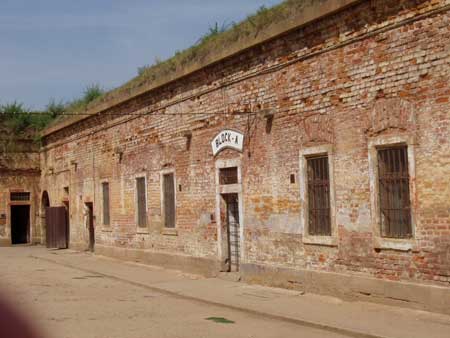
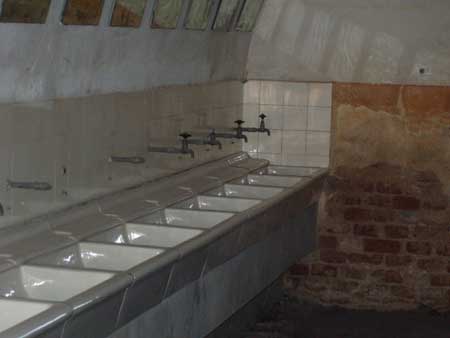
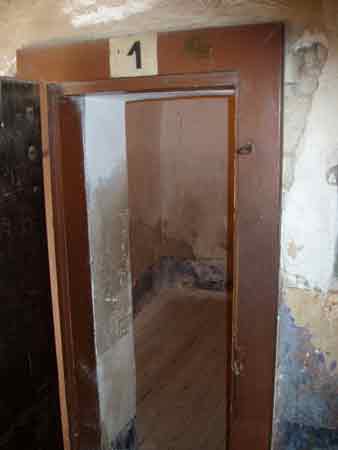
Prisoner cell block A at the Little Fortress of Terezin
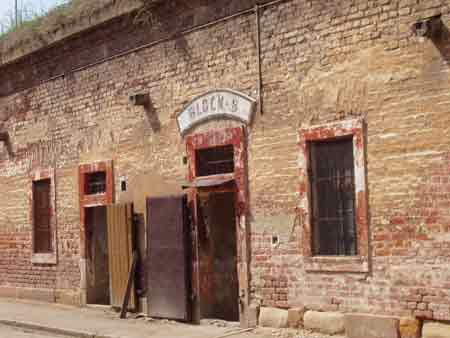
Prisoner cell block B at the Little Fortress of Terezin
A transport of Dutch Jews arrives in Theresienstadt. Dr. Paul Epstein, chairman of the Council of Elders, greets the new arrivals.
A transport of Dutch Jews arrives in Theresienstadt. Close-up of a man wearing
a yellow star walking down a ghetto street. Behind him a man pulls a wagon of bread.
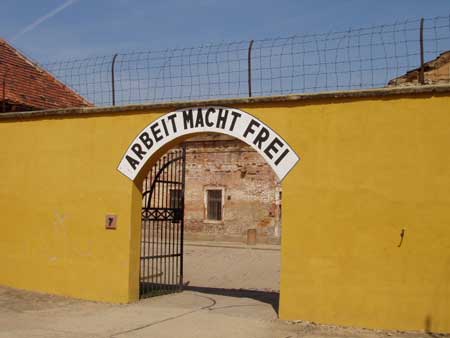
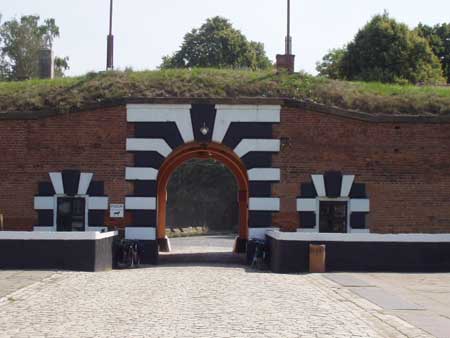
Entrance to Small Fortress of Terezin camp. The gate bears the motto “Arbeit Macht Frei” (Work makes one free)
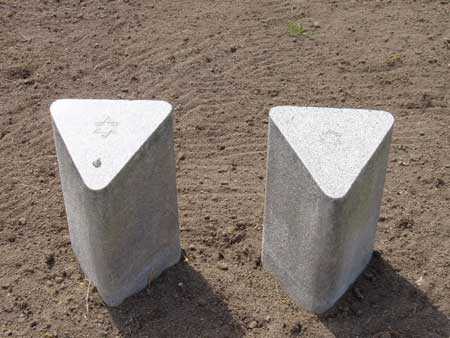
Cemetery outside of Terezin where the ashes of thousands of unknown victims that had been thrown in the river were reburied with symbolic markers.
Cemetery outside of Terezin where the ashes of thousands of unknown victims that had been thrown in the river were reburied with symbolic markers.
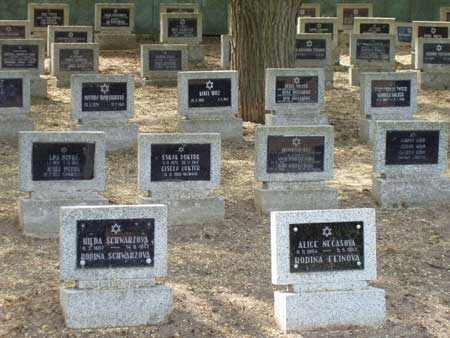
After the war, families of some of the victims had markers made in a separate section to honor their loved ones.
Inside the former ghetto of Terezin. Today, it is a residential area.
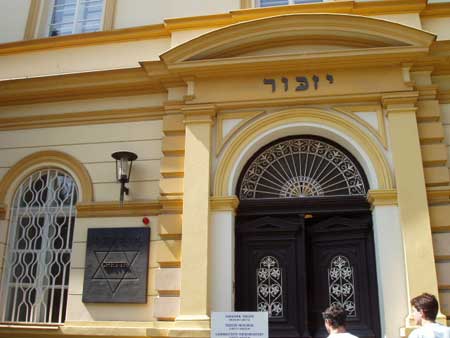
Inside the former ghetto of Terezin. Today, it is a residential area. This building houses exhibits on the ghetto.
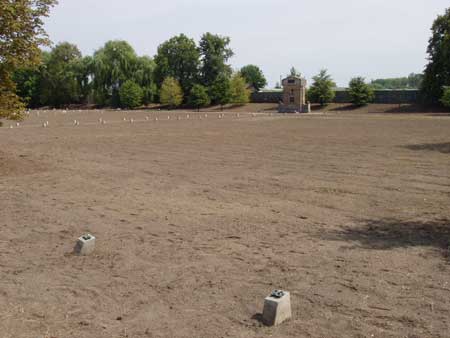
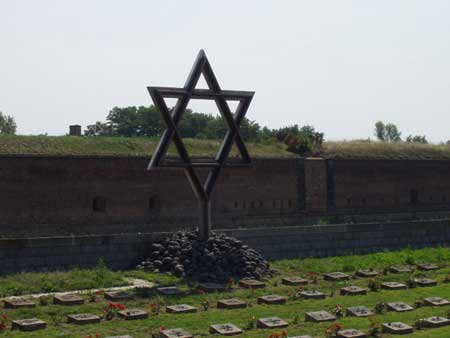
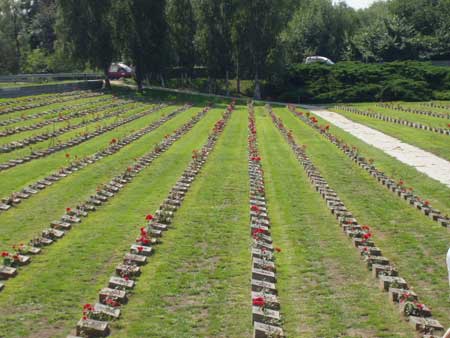
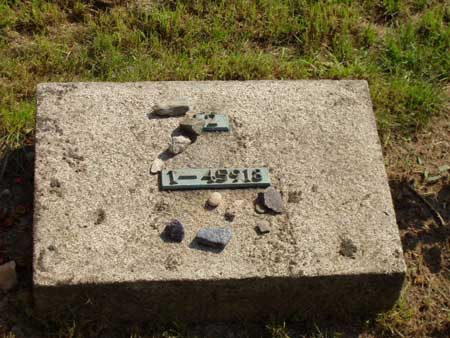
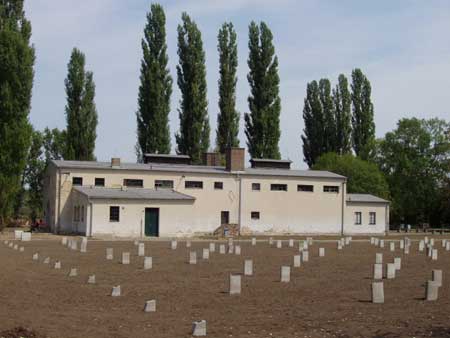
Symbolic cemetery at the Little Fortress for the victims of Terezin. The identities of those buried is unknown.
Symbolic cemetery at the Little Fortress for the victims of Terezin. The identities of those buried is unknown.
Symbolic cemetery at the Little Fortress for the victims of Terezin. The identities of those buried is unknown.