The Hasmonean Dynasty
(142 - 63 BCE)
As part of the ancient world conquered by Alexander
the Great of Greece (332 BCE), the Land remained a Jewish theocracy
under Syrian-based Seleucid rulers. When the Jews were prohibited from
practicing Judaism and their Temple was desecrated as part of an effort to impose Greek-oriented culture
and customs on the entire population, the Jews rose in revolt (166 BCE).
First led by Mattathias of the priestly Hasmonean
family and then by his son Judah the Maccabee,
the Jews subsequently entered Jerusalem and purified the Temple (164 BCE), events commemorated each year by
the festival of Hanukkah.
Following further Hasmonean victories (147 BCE), the
Seleucids restored autonomy to Judea, as the Land of Israel was now called,
and, with the collapse of the Seleucid kingdom (129 BCE), Jewish
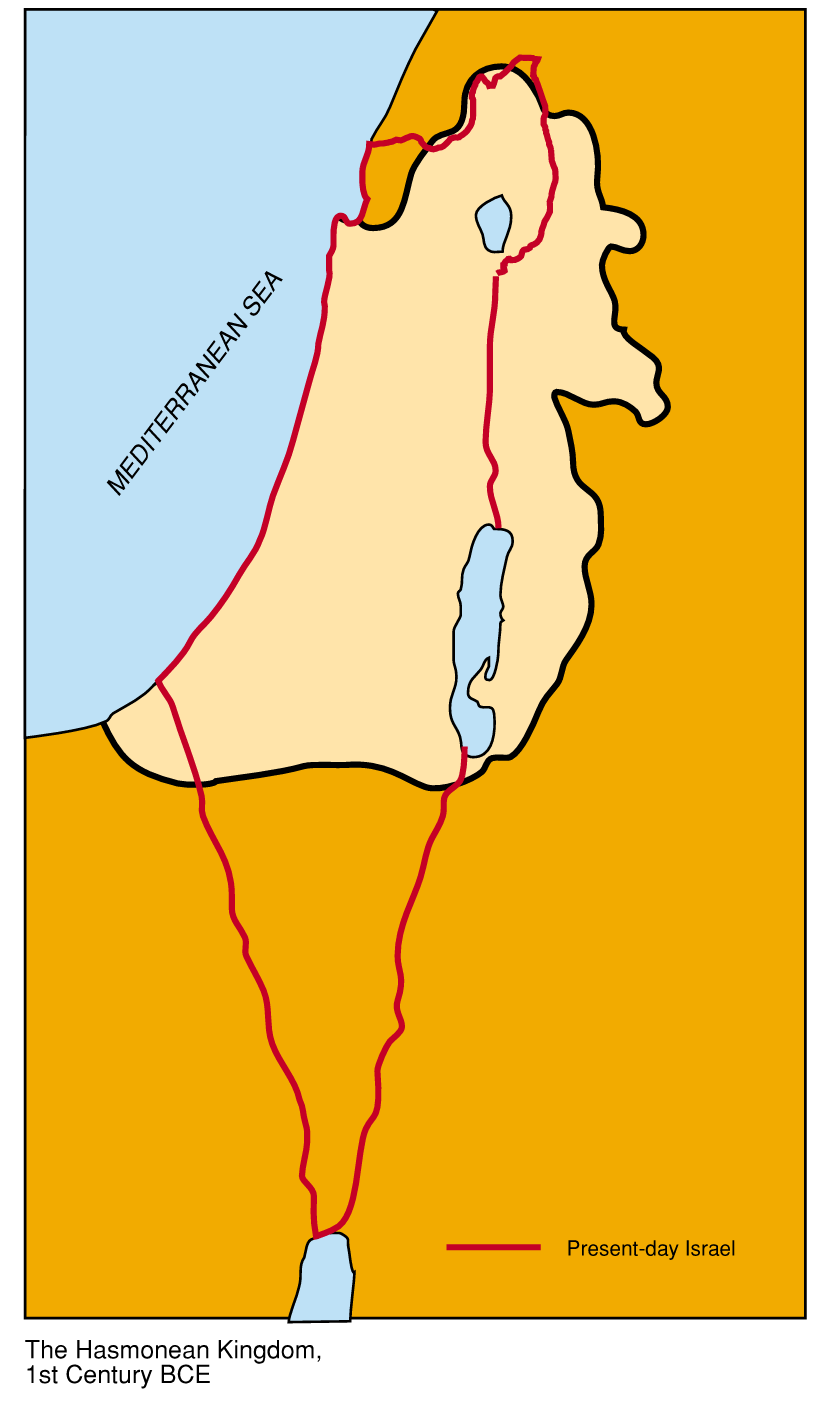
independence was again achieved. Under the Hasmonean dynasty, which lasted
about 80 years, the kingdom regained boundaries not far short of Solomon's
realm, political consolidation under Jewish rule was attained and Jewish
life flourished.
Sources: Israeli
Foreign Ministry |