
Election Anticipation
Israel is scheduled to hold elections for the 26th Knesset on October 27, 2026. The vote will be the first national election since the Hamas-led terrorist attack on October 7, 2023, and the ensuing wars in Gaza, Lebanon, and Iran. It will also be Israel’s first election held on schedule since 1988, following five elections between April 2019 and November 2022.
The 25th Knesset formally dispersed on July 17, 2026, after lawmakers approved a dissolution measure by a vote of 62-0. The election date nevertheless remained the date established by law, allowing the Knesset elected in November 2022 to complete its statutory term. Prime Minister Benjamin Netanyahu and his government will remain in office until a new coalition is formed after the election.
Netanyahu returned to power in December 2022 at the head of a 64-seat coalition composed of Likud, Shas, United Torah Judaism, Religious Zionism, Otzma Yehudit, and Noam. The government subsequently confronted mass protests over its judicial reform program, the October 7 attack, an extended multifront war, recurring disputes over hostage agreements, and disagreements over exemptions from military service for ultra-Orthodox men. Benny Gantz’s National Unity party joined an emergency government after October 7 but withdrew in June 2024. Gideon Sa’ar later returned to the government and merged his New Hope party into Likud.
The dispute over ultra-Orthodox enlistment nearly brought the government down before the end of its term. In May 2026, after Haredi parties accused Netanyahu of failing to preserve military exemptions for yeshiva students, the coalition introduced legislation to dissolve the Knesset. The preliminary measure passed 110-0, and its first reading was approved 106-0. Netanyahu later reached an agreement with the ultra-Orthodox parties, allowing the government to remain in place until the regular election date.
During its final days, the coalition accelerated legislation concerning Torah study and military enlistment, the powers of the attorney general, government oversight of broadcast media, and the investigation of the failures surrounding October 7. Supporters said the measures fulfilled coalition commitments and corrected imbalances in Israel’s governing institutions. Opponents argued that they protected draft evaders, weakened independent legal and media oversight, and politicized the proposed investigation.
The campaign is expected to center on responsibility for October 7, the conduct and outcome of the wars that followed, the fate of the hostages, relations with the United States, military conscription, and the future of the judicial system. Economic pressures, the burden placed on reservists, settlement policy, and the balance between Israel’s secular and religious populations are also expected to influence voters.
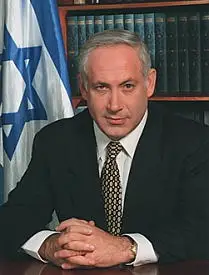
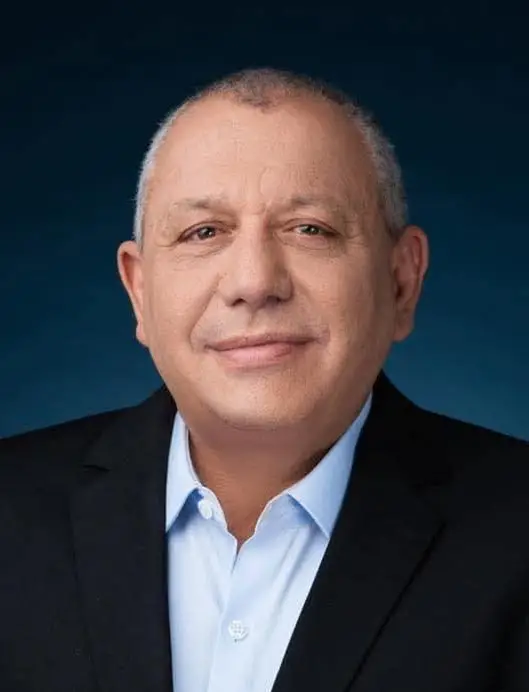
Netanyahu is seeking another term as Likud leader but faces a reorganized opposition. Former IDF chief of staff Gadi Eisenkot left Gantz’s National Unity party in 2025 and established Yashar, which emerged as a leading centrist challenger. Former prime ministers Naftali Bennett and Yair Lapid merged Bennett 2026 and Yesh Atid in April 2026 to create Together (Beyachad), headed by Bennett. Other opposition parties include Avigdor Lieberman’s Yisrael Beiteinu, Yair Golan’s Democrats, and Gantz’s Blue and White.
Hadash, Ta’al, and Balad restored the Joint List and submitted a joint slate headed by Hadash chairman Yousef Jabareen, followed by Ta’al leader Ahmad Tibi and Balad chairman Sami Abu Shehadeh. Mansour Abbas’s Ra’am ultimately ran independently, placing former Yesh Atid lawmaker Yoav Segalovitz second on its slate. The two-list configuration could significantly affect voter turnout in Arab communities and how seats are distributed among Israel’s political blocs.
Polls illustrated the uncertainty of the contest. Successive surveys indicated that Netanyahu could not secure a majority with his current coalition partners. At the same time, the anti-Netanyahu parties remained a few seats short of a majority without Arab-party support.
With several parties polling close to the 3.25% electoral threshold and the final candidate lists still unsettled, small changes in alliances or voter turnout could determine which leader receives an opportunity to form the next government.
Major Party Lists for October 2026 Election
| Yashar! | Likud | Beyachad |
|---|---|---|
| 1. Gadi Eisenkot | 1. Benjamin Netanyahu | 1. Naftali Bennett |
| 2. Yoram Cohen | 2. Eli Cohen | 2. Yair Lapid |
| 3. Orit Farkash-Hacohen | 3. Amir Ohana | 3. Keren Terner Eyal |
| 4. Adi Altschuler | 4. Yariv Levin | 4. Meirav Ben-Ari |
| 5. Matan Kahana | 5. Miri Regev | 5. Liran Avisar Ben Horin |
| 6. Chili Tropper | 6. Israel Katz | 6. Noam Tibon |
| 7. Shaul Meridor | 7. Gideon Sa’ar | 7. Michal Hirsch Negri |
| 8. Tair Ifergan | 8. Ofir Katz | 8. Eitan Ginzburg |
| 9. Oshrat Gani Gonen | 9. Talik Gvili | 9. Meirav Cohen |
| 10. Shira Shapira | 10. Yoav Kisch | 10. Yonatan Shalev |
| 11. Inbar Harush Giti | 11. Jacob Bardugo | 11. Bruria Naim Arman |
| 12. Elazar Stern | 12. Miki Zohar | 12. Ram Ben Barak |
| 13. Kamil Abu Rukun | 13. Almog Cohen | 13. Amir Strugo |
| 14. Devorah Sharifian Bachar | 14. Amichai Chikli | 14. Naor Shiri |
| 15. Alex Rif | 15. Elisha Madan | 15. Nisan Zeevi |
| 16. Inbar Yehezkeli | 16. David Peter | |
| 17. Roy Folkman | 17. Moshe Saada | |
| 18. Israel Zari | 18. Haim Katz | |
| 19. Tal Ohana Hachmon | 19. David Amsalem | |
| 20. Elisaf Peretz | 20. Etty Atia | |
| 21. Yaffa Tabaja | 21. Boaz Bismuth | |
| 22. Nir Hagbi | 22. David Bitan | |
| 23. Ron Barkai | 23. Shlomo Karhi | |
| 24. Shay Fisher | 24. Nir Barkat | |
| 25. Lian Pollak-David | 25. Gila Gamliel |
| The Democrats | Yisrael Beiteinu | United Torah Judaism |
|---|---|---|
| 1. Yair Golan | 1. Avigdor Lieberman | 1. Yaakov Asher |
| 2. Naama Lazimi | 2. Rafi Ben Shitrit | 2. Yitzhak Goldknopf |
| 3. Gilad Kariv | 3. Talia Lankri | 3. Yitzhak Pindrus |
| 4. Efrat Rayten | 4. Oded Forer | 4. Meir Porush |
| 5. Yaya Fink | 5. Yulia Malinovsky | 5. Moshe Rosenthal |
| 6. Gaby Lasky | 6. Sharon Sharabi | 6. Eliakim Stark |
| 7. Omri Ronen | 7. Hamad Amar | 7. Yehuda Weisfish |
| 8. Michal Rozin | 8. Evgeny Sova | 8. Yaakov Tessler |
| 9. Moshe Radman | 9. Elvira Kolikhman | 9. Dudi Zaltz |
| 10. Somaya Bashir | 10. Dan Illouz | 10. David Ohana |
| 11. Nimrod Sheffer | ||
| 12. Moran Zer Katzenstein | ||
| 13. Avi Dabush | ||
| 14. Emilie Moatti | ||
| 15. Tomer Avital |
| Joint List | Shas | Religious Zionism–Zehut |
|---|---|---|
| 1. Yousef Jabareen | 1. Aryeh Deri | 1. Bezalel Smotrich |
| 2. Ahmad Tibi | 2. Yinon Azoulay | 2. Moshe Feiglin |
| 3. Sami Abu Shehadeh | 3. Michael Malkieli | 3. Orit Strock |
| 4. Faten Ghattas | 4. Yoav Ben Tzur | 4. Simcha Rothman |
| 5. Bakr Awawdeh | 5. Haim Biton | 5. Tzvika Mor |
| 6. Ofer Cassif | 6. Dror Amos | 6. Itamar Eitam |
| 7. Youssef Atauna | 7. Moshe Abutbul | 7. Zvi Sukkot |
| 8. Maha Karkabi-Sabbah | 8. Uriel Busso | 8. Yitzhak Zaga |
| 9. Ahmad Darawshe | 9. Yosef Taieb | 9. Reut Ben Haim |
| 10. Nihaya Washahi | 10. Yonatan Mishraki | 10. Omer Patsiniash |
| Otzma Yehudit | Ra’am | Amcha Yisrael |
|---|---|---|
| 1. Itamar Ben-Gvir | 1. Mansour Abbas | 1. Ofer Winter |
| 2. Tally Gotliv | 2. Yoav Segalovitz | 2. Yoseph Haddad |
| 3. Yitzhak Wasserlauf | 3. Waleed Taha | 3. Netali Shem Tov |
| 4. Amichai Eliyahu | 4. Waleed al-Hawashla | 4. Eran Ben-Ari |
| 5. Limor Son Har-Melech | 5. Iman Khatib-Yassin | 5. Fleur Hassan-Nahoum |
| 6. Yitzhak Kroizer | ||
| 7. Hanamel Dorfman | ||
| 8. Tzachi Eliyahu | ||
| 9. Yossi Goldberger | ||
| 10. Itiel Ne’eman |
Surplus-Vote Agreements
After the initial allocation of Knesset seats, the remaining mandates are distributed under the Bader-Ofer method, named after lawmakers Yohanan Bader and Avraham Ofer. A surplus-vote agreement allows two separate electoral lists to be treated as a single list when competing for these final seats. If the combined pairing wins an additional mandate, the formula is applied again between the two partners to determine which party receives it.
The agreement does not merge the parties or require them to cooperate after the election. Each list may sign an agreement with only one other list, and the agreement takes effect only if both lists independently cross the 3.25% electoral threshold. It therefore cannot preserve votes cast for a party that fails to qualify for the Knesset. Although such agreements are technical, parties generally sign them with ideologically compatible partners, and the choice of partner can signal possible post-election cooperation.
Surplus-vote agreements could be particularly significant in the 2026 election because the rival blocs are polling close to the 61 seats required for a majority. An agreement slightly improves the likelihood that one of the participating parties will receive a remaining mandate. In a closely divided Knesset, that single seat could influence which party leader can assemble a governing coalition.
By mid-September 2026, five pairings had been announced: Likud with the combined Religious Zionism-Zehut list; Shas with United Torah Judaism; Yashar with the Democrats; Beyachad with Yisrael Beiteinu; and the Joint List with Ra’am. The arrangements remained subject to formal submission to the Central Elections Committee by the October 16 deadline.
Disqualification Efforts of Arab Parties
On September 23, Israel’s Central Elections Committee voted 18-5 to bar both Ra’am and the Joint List from the October 27 election. Their disqualifications are headed to the Supreme Court. Past court rulings have repeatedly overturned committee bans, and the court is expected to reverse these two decisions. The committee separately barred Joint List candidates Ofer Cassif and Sami Abu Shehadeh; Abu Shehadeh’s case is less certain because the attorney general and the committee’s chair supported his disqualification.
On October 1, Balad leader Sami Abu Shehadeh withdrew from Israel’s upcoming election after the Supreme Court indicated that a majority favored disqualifying him over an article published the day after October 7 that described the attack as an important historic event. Abu Shehadeh denied supporting terrorism, saying his comments were intended as a warning to Israel, while Balad said he would continue leading the party and its other candidates would remain in the race. Israel’s Supreme Court unanimously overturned the disqualification of the Arab parties the following day, allowing Ra’am and the Joint List to contest the October 27 election.
Sources: Ofer Kenig, “The Knesset Is Slated to Complete a Full Term, but Israel Still Ranks Among the Countries with the Most Frequent Elections,” Israel Democracy Institute, (July 14, 2026).
“Knesset Officially Disperses, After Coalition Completes Its Drastic Legislative Blitz,” Times of Israel, (July 17, 2026).
“Israel Takes Step Toward Snap Election as Knesset Votes to Dissolve,” Reuters, (May 20, 2026).
Maayan Lubell, “Netanyahu’s Biggest Rivals Join Forces for Israel’s Next Election,” Reuters, (April 26, 2026).
Ariela Karmel, “Gadi Eisenkot Founds New Party, Two Months After Resigning From Knesset,” Times of Israel, (September 16, 2025).
Alexander Cornwell, “Israel’s Netanyahu Faces Election Challenge From Hawkish Ex-General,” Reuters, (June 26, 2026).
Ariela Karmel, “Arab Parties Hadash, Ta’al, Balad Announce Joint Electoral Slate - Without Ra’am,” Times of Israel, (June 10, 2026).
“Poll Shows Eisenkot With Significant Lead Over Netanyahu as Preferred PM; Knesset Blocs Static,” Times of Israel, (July 14, 2026).
“Opposition Zionist Bloc Led by Eisenkot Would Win Narrow 61-Seat Majority - Poll,” Times of Israel, (July 16, 2026).
Assaf Shapira, “Knesset 101: How Parliament and National Elections Work in Israel,” Israel Democracy Institute, (April 29, 2026).
“The Distribution of Knesset Seats (Bader-Ofer Method),” knesset.gov.il.
Shilo Fried, Amir Ettinger, Moran Azulay, “38 Parties Submitted Knesset Lists: These Are the Candidates for the 2026 Election,” Ynet, (September 8, 2026). [Hebrew]
Keshet Neev, Shir Perets, “Bennett-Liberman, Eisenkot-Golan: Opposition parties sign surplus vote-sharing agreement,” Jerusalem Post, (September 10, 2026).
Ariela Karmel, “Election panel disqualifies all Arab parties, in move likely to be overturned; Balad leader also barred,” Times of Israel, (September 24, 2026).
“Balad leader withdraws from election,” BICOM, (October 2, 2026).
Shira Rubin, “Israel’s Supreme Court Overturns Election Ban on Arab Parties,” Bloomberg, (October 4, 2026).
Gili Cohen, “Huckabee met secretly with Netanyahu’s top rival, Gadi Eisenkot,” Jewish Insider, (October 15, 2026).
“Israelis Want Their Next Government to Form a Commission of Inquiry and Enlist the Ultra-Orthodox,” IDI, (October 16, 2026).
Ariela Karmel, “PM says Ben Gvir can’t be defense or police minister after election, angering Otzma Yehudit,” Times of Israel, (October 15, 2026).
Photo: Elad Malka, CC BY-SA 3.0, via Wikimedia Commons.