
Election Anticipation
Israel is scheduled to hold elections for the 26th Knesset on October 27, 2026. The vote will be the first national election since the Hamas-led terrorist attack on October 7, 2023, and the ensuing wars in Gaza, Lebanon, and Iran. It will also be Israel’s first election held on schedule since 1988, following five elections between April 2019 and November 2022.
The 25th Knesset formally dispersed on July 17, 2026, after lawmakers approved a dissolution measure by a vote of 62-0. The election date nevertheless remained the date established by law, allowing the Knesset elected in November 2022 to complete its statutory term. Prime Minister Benjamin Netanyahu and his government will remain in office until a new coalition is formed after the election.
Netanyahu returned to power in December 2022 at the head of a 64-seat coalition composed of Likud, Shas, United Torah Judaism, Religious Zionism, Otzma Yehudit, and Noam. The government subsequently confronted mass protests over its judicial reform program, the October 7 attack, an extended multifront war, recurring disputes over hostage agreements, and disagreements over exemptions from military service for ultra-Orthodox men. Benny Gantz’s National Unity party joined an emergency government after October 7 but withdrew in June 2024. Gideon Sa’ar later returned to the government and merged his New Hope party into Likud.
The dispute over ultra-Orthodox enlistment nearly brought the government down before the end of its term. In May 2026, after Haredi parties accused Netanyahu of failing to preserve military exemptions for yeshiva students, the coalition introduced legislation to dissolve the Knesset. The preliminary measure passed 110-0, and its first reading was approved 106-0. Netanyahu later reached an agreement with the ultra-Orthodox parties, allowing the government to remain in place until the regular election date.
During its final days, the coalition accelerated legislation concerning Torah study and military enlistment, the powers of the attorney general, government oversight of broadcast media, and the investigation of the failures surrounding October 7. Supporters said the measures fulfilled coalition commitments and corrected imbalances in Israel’s governing institutions. Opponents argued that they protected draft evaders, weakened independent legal and media oversight, and politicized the proposed investigation.
The campaign is expected to center on responsibility for October 7, the conduct and outcome of the wars that followed, the fate of the hostages, relations with the United States, military conscription, and the future of the judicial system. Economic pressures, the burden placed on reservists, settlement policy, and the balance between Israel’s secular and religious populations are also expected to influence voters.
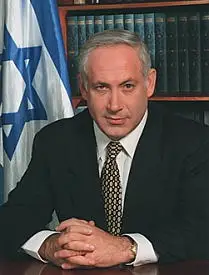
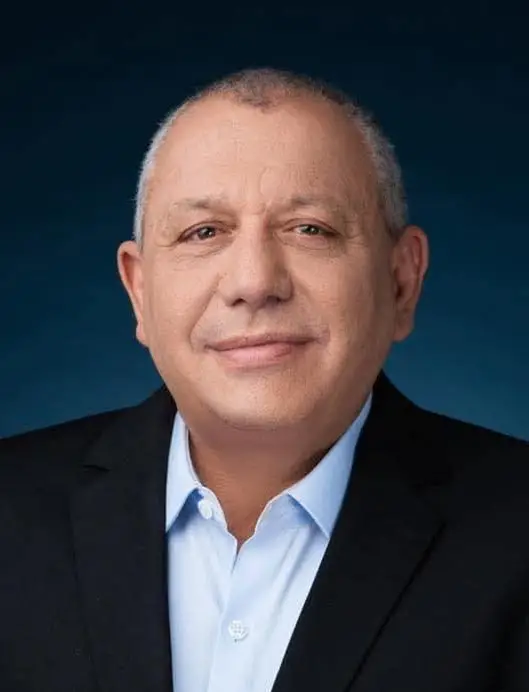
Netanyahu is seeking another term as Likud leader but faces a reorganized opposition. Former IDF chief of staff Gadi Eisenkot left Gantz’s National Unity party in 2025 and established Yashar, which emerged as a leading centrist challenger. Former prime ministers Naftali Bennett and Yair Lapid merged Bennett 2026 and Yesh Atid in April 2026 to create Together (Beyachad), headed by Bennett. Other opposition parties include Avigdor Lieberman’s Yisrael Beiteinu, Yair Golan’s Democrats, and Gantz’s Blue and White.
Hadash, Ta’al, and Balad announced that they would restore the Joint List, while negotiations continued over whether Mansour Abbas’s Ra’am would join them or run independently. This decision could significantly affect turnout in Arab communities and the distribution of seats.
Polls illustrated the uncertainty of the contest. Successive surveys indicated that Netanyahu could not secure a majority with his current coalition partners. At the same time, the anti-Netanyahu parties remained a few seats short of a majority without Arab-party support.
With several parties polling close to the 3.25% electoral threshold and the final candidate lists still unsettled, small changes in alliances or voter turnout could determine which leader receives an opportunity to form the next government.
Sources: Ofer Kenig, “The Knesset Is Slated to Complete a Full Term, but Israel Still Ranks Among the Countries with the Most Frequent Elections,” Israel Democracy Institute, (July 14, 2026).
“Knesset Officially Disperses, After Coalition Completes Its Drastic Legislative Blitz,” Times of Israel, (July 17, 2026).
“Israel Takes Step Toward Snap Election as Knesset Votes to Dissolve,” Reuters, (May 20, 2026).
Maayan Lubell, “Netanyahu’s Biggest Rivals Join Forces for Israel’s Next Election,” Reuters, (April 26, 2026).
Ariela Karmel, “Gadi Eisenkot Founds New Party, Two Months After Resigning From Knesset,” Times of Israel, (September 16, 2025).
Alexander Cornwell, “Israel’s Netanyahu Faces Election Challenge From Hawkish Ex-General,” Reuters, (June 26, 2026).
Ariela Karmel, “Arab Parties Hadash, Ta’al, Balad Announce Joint Electoral Slate - Without Ra’am,” Times of Israel, (June 10, 2026).
“Poll Shows Eisenkot With Significant Lead Over Netanyahu as Preferred PM; Knesset Blocs Static,” Times of Israel, (July 14, 2026).
“Opposition Zionist Bloc Led by Eisenkot Would Win Narrow 61-Seat Majority - Poll,” Times of Israel, (July 16, 2026).
Assaf Shapira, “Knesset 101: How Parliament and National Elections Work in Israel,” Israel Democracy Institute, (April 29, 2026).
Photo: Elad Malka, CC BY-SA 3.0, via Wikimedia Commons.